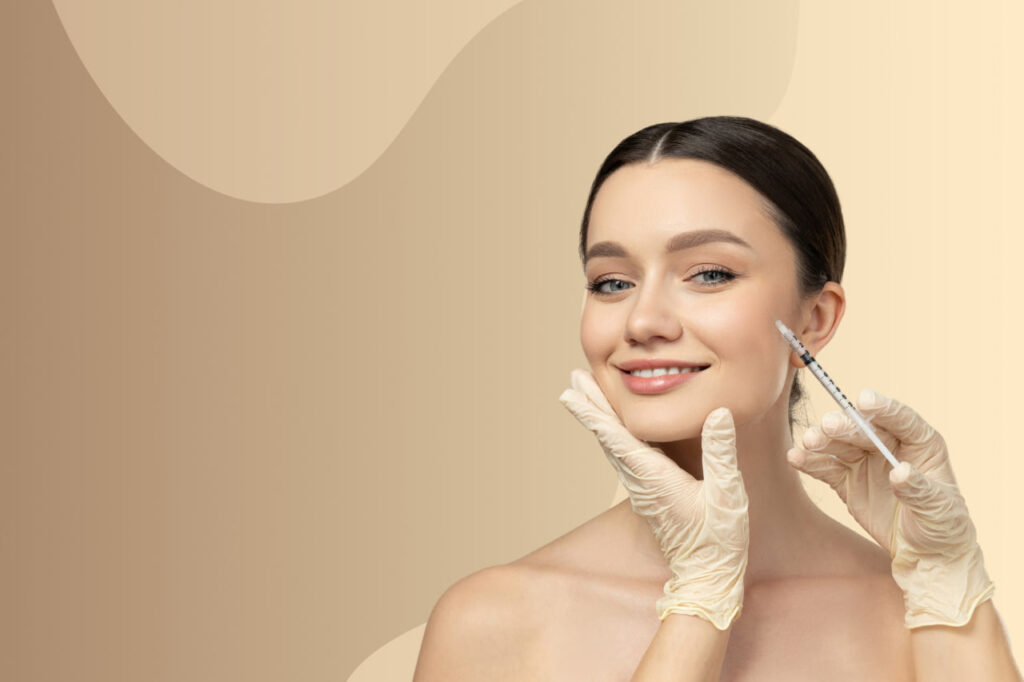
The utility of botulinum toxin type A has evolved significantly since its initial FDA approval. The applications now extend far beyond the upper face to encompass a wide range of facial, neck, and body regions. This expansion reflects a growing clinical and scientific understanding of the toxin’s versatile effects across different components of the peripheral nervous system.
Upper Face Applications
The upper face remains the most common region for BoNT-A injections. The toxin received approval from the United States Food and Drug Administration in 2002 for the temporary improvement of glabellar lines in patients up to 65 years old, establishing this as a cornerstone application. Specific consensus guidelines have been developed for the treatment of glabellar lines, providing recommendations on relevant anatomy, injection sites, and appropriate dosing. Beyond the glabella, BoNT-A is widely used to address horizontal forehead lines and "crow's feet" (lines around the eyes), with specific guidelines also existing for these treatment areas. These applications, when performed with a nuanced understanding of muscle dynamics, can lead to significant rejuvenation of the upper facial aesthetic unit.
Midface, Lower Face, and Perioral Area Applications
The application of BoNT-A has evolved to encompass the lower face, neck, and midface, moving beyond the traditional focus on the upper face. This expansion includes the treatment of "bunny lines" (downward radiating lines on the sides of the nose), the perioral area, and the dimpled chin. Furthermore, the toxin is an effective treatment for "gummy smiles," a condition caused by hyperactive muscles that pull the upper lip upward, and for addressing certain types of facial asymmetry. These advanced applications demonstrate the increasing sophistication of BoNT-A use, as practitioners leverage its neuromodulatory effects to achieve overall facial harmonization.
Neck and Body Applications
The use of BoNT-A is not limited to the face. In the neck region, it is effectively used to treat platysmal bands, which are vertical neck cords that become prominent with age and muscular contraction. On a broader scale, BoNT-A is a valuable tool for body shape contouring and is a well-established and effective cosmetic treatment for hyperhidrosis (excessive sweating). The effectiveness of the toxin for these varied applications is a direct result of its action on different cholinergic targets—skeletal muscles in the case of body contouring and the autonomic nerves that innervate sweat glands in the case of hyperhidrosis. The therapeutic use of BoNT-A for conditions like cervical dystonia (a painful, involuntary contraction of neck muscles) further underscores its ability to manage a range of conditions related to excessive muscle contraction.
The following table summarizes the diverse range of BoNT-A applications.
| Treatment Area | Primary Indication | Corresponding Cause (Etiology) |
|---|---|---|
| Glabellar Lines (Frown Lines) | Temporary improvement of lines | Excessive muscular contraction of the glabellar muscles |
| Horizontal Forehead Lines | Softening of forehead wrinkles | Excessive muscular contraction of the frontalis muscle |
| "Crow's Feet" (Lines around eyes) | Reduction of periorbital lines | Excessive muscular contraction of the orbicularis oculi muscle |
| "Bunny Lines" (Sides of nose) | Softening of radiating nasal lines | Excessive muscular contraction of the nasalis muscle |
| Perioral Area | Improvement of lines around the mouth | Muscular contractions of the perioral muscles |
| Dimpled Chin | Smoothing of the chin's appearance | Excessive contraction of the mentalis muscle |
| Gummy Smile | Reduction of excessive gingival display | Hyperactivity of the lip elevator muscles |
| Facial Asymmetry | Correction of muscular imbalance | Uneven muscular contraction in different facial regions |
| Platysmal Bands | Smoothing of neck cords | Excessive contraction of the platysma muscle |
| Hyperhidrosis | Reduction of excessive sweating | Overstimulation of sweat glands by cholinergic nerves |
| Body Contouring | Shaping of skeletal muscles | Hypertrophy or excessive contraction of specific skeletal muscles |
| Cervical Dystonia | Relief from neck spasms | Involuntary, painful contraction of the neck muscles |